Quick answer
Most UGC videos cost $150 to $300 each in 2026, with beginners from about $50 and premium creators charging $500 to $3,000 or more. Add-ons raise the total: paid usage rights often add 30% to 50%, whitelisting about 30% of the base rate per month, and extra hooks around $50 each.
Key takeaways
- The typical UGC video costs $150 to $300, with a median around $175 according to Influee.
- Usage rights, whitelisting, hook variations, and raw footage can add 30% to 50% or more to the base rate.
- Niche matters: fintech and B2B SaaS videos often cost several times more than fashion or apparel.
- Going direct has the lowest fees but the highest time cost; agencies cost more per month but handle sourcing, testing, and ads.
- Ad spend is separate from UGC production, so budget for both.
"How much does UGC cost?" is one of the first questions every brand asks, and the answers online are all over the place. You will see $50 videos and $3,000 videos for what looks like the same thing.
The reason is simple: the video itself is only part of the price. Usage rights, ad permissions, extra hooks, and editing can double the final number. This guide breaks down real 2026 UGC pricing so you can build a budget that holds up.
How much does UGC cost in 2026?
Most brands pay $150 to $300 per UGC video from an established creator. Influee's UGC pricing guide puts the median at about $175 per video, and Collabstr's analysis of more than 15,000 collaborations in 2025 found UGC creators averaged $198 per piece.
Rates climb with experience, niche, and the rights you need. Here is how pricing breaks down by creator tier, based on Insense's September 2026 rate data:
| Creator tier | Typical rate per video | What you usually get |
|---|---|---|
| Beginner | $50 to $400 | Simple testimonial or unboxing, light editing, smaller portfolio |
| Mid-level | $150 to $1,000 | Proven hooks, solid editing, faster turnaround, ad experience |
| Premium | $500 to $3,000+ | Strong ad track record, scripting help, niche expertise |
The ranges overlap because tier is not the only factor. A mid-level creator in finance can charge more than a premium creator in fashion.
What affects the price of UGC?
Seven things move the price more than anything else:
- Usage rights: where you can use the video and for how long.
- Whitelisting or Spark Ads: running ads through the creator's own account.
- Hook variations: extra openings for testing.
- Raw vs edited footage: whether you get the source clips or only the final cut.
- Niche: technical or regulated products cost more.
- Turnaround: rush jobs carry a premium.
- Volume: bundles usually lower the per-video price.
How much do usage rights cost for UGC?
Usage rights are the permission to use a creator's video in your marketing. This is where most surprise costs come from.
Many creators include basic organic usage, meaning you can post it on your own social accounts. Paid usage (running the video as an ad) usually costs extra. Influee reports that usage rights typically add 30% to 50% of the base rate. Collabstr found that content usage rights can increase campaign costs by up to 39%.
Usage terms are often set by time, such as 30 days, 90 days, 6 months, or 12 months. Longer terms and "perpetual" rights cost more. Always get the terms in writing before the video goes live in an ad.
How much does UGC whitelisting cost?
Whitelisting (also called allowlisting, Spark Ads on TikTok, or partnership ads on Meta) means your ad runs from the creator's handle instead of your brand page. It often looks more native in the feed.
Because the creator is lending their name and account, they usually charge a recurring fee. Influee's guide puts whitelisting at roughly 30% of the base rate per month. If you plan to run ads for a few months, factor that into your budget from day one. Our guide on Spark Ads and whitelisting explains how the setup works.
UGC add-on fees at a glance
| Add-on | Typical cost | When you need it |
|---|---|---|
| Paid usage rights | 30% to 50% of base rate | Running the video as an ad |
| Whitelisting / Spark Ads | About 30% of base rate per month | Ads from the creator's account |
| Hook or CTA variations | About $50 each | Testing different openings and endings |
| Raw footage | 30% to 50% of base rate | Your team wants to re-edit |
| Rush delivery | 25% to 50% extra | Launches and tight deadlines |
Ranges from Influee's 2026 UGC rates guide. Individual creators set their own terms.
Why do hook variations matter so much?
The first two or three seconds of a video decide whether someone keeps watching. Hook variations let you test several openings on the same main video without paying for a whole new shoot.
At about $50 per hook, adding three or four hooks to a strong video is one of the cheapest ways to improve ad results. If you plan to run paid ads, we recommend budgeting for hooks on every video.
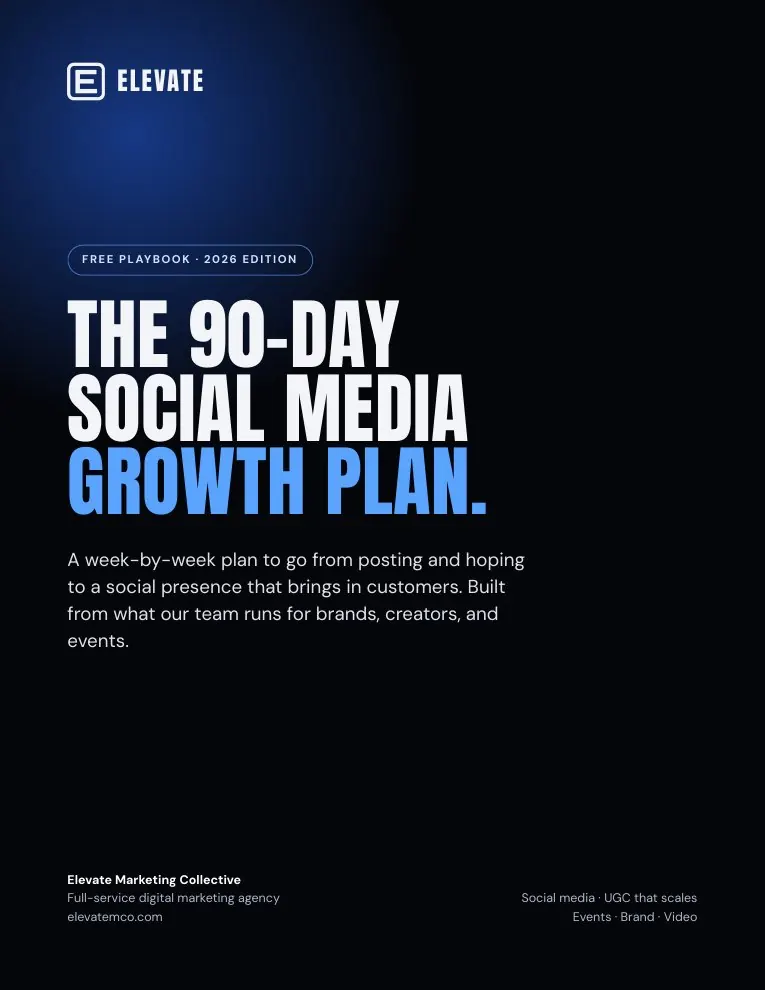
Free download
The 90-day social media growth plan.
A week-by-week plan, 30 scroll-stopping hooks, a content pillar worksheet, and a scorecard. 11 pages. Free.
Get the free planIs raw or edited UGC cheaper?
Edited UGC is the creator's finished video with cuts, captions, and music. Raw footage is the unedited clips. Most creators price the edited video as the base and charge extra for raw files, often 30% to 50% more according to Influee.
Raw footage is worth it if you have an editor who can cut many ad versions from one shoot. If you do not, edited videos are the better value.
How much does UGC cost by industry?
Niche changes the price because some products need more knowledge, more trust, or more compliance care. Insense's 2026 data shows these typical ranges:
| Industry | Typical rate |
|---|---|
| Fashion and apparel | $100 to $1,500 per video |
| Beauty and skincare | $150 to $2,000 per video |
| Health and wellness | $250 to $1,500 per video |
| Tech and gadgets | $300 to $600 per video |
| B2B SaaS | $300 to $3,000 per video |
| Finance and fintech | $400 to $2,000 per video |
| Real estate | $500 to $2,500 per project |
Should you use a UGC platform, an agency, or hire creators directly?
How you source creators affects your total cost as much as the creator's rate. Each option trades money for time.
| Option | Typical cost | Pros | Cons |
|---|---|---|---|
| Hire creators directly | Creator fees plus your team's time | Lowest fees, full control | Vetting, contracts, briefs, and follow-up all fall on you |
| Self-serve UGC platform | About $400 to $500 per month plus creator fees | Big creator pool, built-in contracts | You still write briefs, review content, and run ads |
| Agency or managed service | About $2,000 to $10,000+ per month retainer | Strategy, creator management, testing, and ads handled | Higher monthly cost |
| In-house hire | About $7,000 to $10,000 per month in salary | Dedicated person | One person rarely covers strategy, sourcing, editing, and ads |
Sourcing cost ranges from Insense's 2026 UGC rates report.
Going direct looks cheapest on paper. But if you need 20 or more videos a month, the hours spent finding, briefing, and managing creators add up fast. That is where a managed UGC campaign often pays for itself.
What does a real UGC budget look like?
Here are three example budgets using the published averages above. They are illustrations, not quotes.
Starter test: 5 videos
- 5 videos at $200 each: $1,000
- 2 extra hooks per video (10 hooks at $50): $500
- Paid usage at 30% to 50% of base: $300 to $500
- Estimated total: $1,800 to $2,000, before any bundle discount
Growth: 10 videos with whitelisting
- 10 videos at $250 each: $2,500
- Paid usage at 30%: $750
- Whitelisting on your top 3 videos at 30% of base per month: about $225 per month
- Estimated total: about $3,500 for the first month
Scale: 20 or more videos per month
At this level, volume discounts matter. Influee reports bundles of 5 or more videos often come with 15% to 25% off. Many brands at this stage move to a monthly retainer with an agency or a managed platform so creative testing never stops.
Remember to add your ad spend on top. UGC is the creative. The media budget that puts it in front of people is separate.
Is UGC cheaper than influencer marketing?
Usually, yes, per piece of content. With UGC you pay for the video and the rights. With influencers you also pay for their audience.
Meltwater's 2026 rate guide shows Instagram micro and mid-tier influencers (10K to 100K followers) charging $100 to $5,000 per post, and macro influencers (100K to 500K) charging $5,000 to $10,000. For a full breakdown, read UGC vs influencer marketing.
What hidden costs should you plan for?
- Product shipping: physical products need to reach every creator, and you rarely get them back.
- Revisions: most creators include one round. More rounds can cost extra.
- Usage renewals: a winning ad may outlive its 90-day license.
- Management time: briefs, approvals, and payments take real hours.
- Ad spend: great UGC still needs a media budget to reach people.
How can you lower your UGC cost without hurting quality?
- Write a tight brief so you get usable videos on the first try.
- Order in bundles instead of one video at a time.
- Buy hooks instead of new videos when testing openings.
- Negotiate usage terms that match how long you will really run ads.
- Reuse winners across TikTok, Reels, Shorts, and your website.
How we price UGC at Elevate
We do not sell one-size-fits-all packages. Every plan is custom because a 5-video test and a 500-creator launch need very different setups. Campaigns can run from 1 creator to 500 creators at once.
Here is some of what our team has done with creator content:
- Led the creator UGC campaign for Angel Studios' animated film David, which opened to $22M, Angel Studios' biggest opening.
- Ran UGC campaigns for Turbo AI, an app that grew to $1.5M in monthly recurring revenue, and for Artec, which reached 25K monthly users in under 3 months.
- Helped Recapture Livestream, the #1 TikTok LIVE agency in the US, grow its creator community from about 6,000 to more than 20,000 creators in under 12 months.
The best first step is a free audit. We review your current content and ads, then recommend a creator mix and budget range that fits your goals.
Want this done for you?
UGC & Creator Campaigns by Elevate.
Real creators selling your product in their own voice. Sourcing, whitelisting, affiliates, and campaigns up to 500 creators.
Frequently asked questions
How much should I pay for one UGC video?
Most brands pay $150 to $300 for one edited UGC video from an established creator. Beginners may charge $50 to $150, while premium creators with ad experience can charge $500 to $3,000 or more.
Are usage rights included in UGC pricing?
Sometimes organic use is included, but paid ad usage usually costs extra. It commonly adds 30% to 50% of the base rate, depending on how long you want to run the content.
How much do creators charge for whitelisting or Spark Ads?
A common rate is about 30% of the base video fee per month while ads run from the creator's account. Terms vary by creator, so confirm the monthly fee and duration in writing.
Do UGC creators with more followers charge more?
Not necessarily. UGC rates are driven more by on-camera skill, ad experience, and niche than by follower count, since the brand posts the content, not the creator.
Is it cheaper to use a UGC platform or an agency?
A self-serve platform has lower fees, but you still manage briefs, reviews, and ads yourself. An agency costs more monthly but handles strategy, creators, and testing, which saves time at higher volume.
How many UGC videos do I need to start?
Plan for at least 5 to 10 videos with a few hook variations each. That gives you enough versions to find a winner instead of judging UGC on one or two videos.
Sources
- Influee: UGC Rates 2026, The Ultimate Guide With Real Numbers
- Insense: UGC Creator Rates Explained, Real 2026 Pricing
- Collabstr: What Influencers Really Cost in 2025
- Meltwater: Influencer Marketing Costs and Rates per Channel
Elevate results reflect projects our team led or supported. Roles and capacity varied by project.